

destination guide
Elk Bugling Season in Glacier National Park 2026: Where to Hear the Rut & Stay
Published by Going to the Sun Chalets Team on Aug 31, 2026
A clear elk bugle rolling through a cold mountain valley is one of fall’s most memorable sounds. If you hope to experience elk bugling in Glacier National Park, September 2026 offers a promising seasonal window, especially during quiet mornings and evenings near open meadows and forest edges.
Sightings are never guaranteed, and elk in Glacier can be less predictable than wildlife in more open national parks. With a flexible itinerary and a West Glacier base through Going to the Sun Chalets, however, you can make repeated dawn and dusk outings while enjoying Glacier’s changing fall colors, lighter visitation, and crisp mountain air.
When Is Elk Bugling Season in Glacier National Park?
Elk bugling is associated with the annual rut, when mature bulls use their distinctive calls to advertise their presence and communicate with other elk. The rut commonly intensifies during September and may continue into October, although weather, elevation, and herd movement affect the timing each year.
For travelers researching the elk rut in Montana in September 2026, the middle and latter parts of the month are sensible periods to consider. Bugling activity is often strongest around sunrise and sunset, when temperatures are cooler and animals are more active.
Plan to arrive at a viewing area before first light or settle into a legal roadside pullout well before sunset. Turn off your engine when appropriate, speak quietly, and listen for several minutes. A bugle can carry a surprising distance, so hearing one does not necessarily mean an elk is standing nearby.
September conditions in Glacier can change quickly. Warm afternoons, freezing mornings, rain, smoke, and early snow are all possible, so review this Glacier National Park September 2026 guide while building your packing list and daily itinerary.
Where to Hear Elk Bugling Near Glacier National Park
Elk generally favor a mixture of cover and open feeding habitat. Rather than looking only at busy trailheads or developed areas, scan meadow margins, broad valleys, recently burned landscapes, and places where grasslands meet forest.
The Lake McDonald Valley
For guests based in West Glacier, the Lake McDonald corridor is a practical place to begin an early wildlife drive. Quiet roadside openings and forest edges may provide opportunities to hear or spot animals, particularly before regular daytime traffic increases.
Apgar and the lower Lake McDonald area also provide places to pause and listen, but elk activity varies. Avoid approaching an animal or leaving designated areas simply because you hear a call in the trees.
Camas Road and the North Fork Side
Camas Road travels through a landscape with forest, open slopes, and areas shaped by past fires. These varied habitats can make the corridor worth exploring slowly at dawn or near sunset.
Use established pullouts, watch carefully for wildlife crossing the road, and never stop in a travel lane. Conditions and seasonal access can change, so confirm current road information before leaving West Glacier.
East Side Valleys and Open Country
Glacier’s east side has broader grasslands and open valleys that can make wildlife easier to scan from a distance. The St. Mary and Two Medicine areas may be incorporated into a longer wildlife-focused day, depending on current road access and weather.
An east side trip is not a quick add-on from West Glacier, so allow ample driving time and avoid building an inflexible schedule. The landscape itself is part of the experience, even if the elk remain out of sight.
Wherever you look, remember that a “hotspot” one morning can be silent the next. Wildlife watching in Glacier National Park in fall rewards patience more than a checklist.
How to Plan a Dawn Wildlife Outing From West Glacier
A successful morning begins the night before. Choose your first viewing corridor, check the weather and road status, fill the fuel tank, and place your binoculars, warm layers, water, and breakfast where they are easy to grab.
West Glacier makes a convenient starting point for exploring the park’s western valleys. Travelers who want a private base can compare affordable entire chalets in West Glacier or browse West Glacier vacation rentals before choosing their fall dates.

Going to the Sun Chalet A/Canadian Chalet is located in West Glacier, United States. Its location works well for travelers who want to prepare for an early departure and return to a private vacation rental after a cold morning outdoors.
For the outing itself, follow a simple plan:
- Leave before sunrise. Give yourself time to reach your chosen area without rushing on dark roads.
- Drive slowly and stay alert. Elk and other animals may be difficult to see near the road.
- Listen before moving on. Spend 10 to 15 quiet minutes at suitable, legal stopping points.
- Use binoculars first. They help you scan distant meadow edges without disturbing wildlife.
- Keep a backup route. Fog, construction, closures, or animal movement may change your plans.
- Finish with a daytime activity. After the prime wildlife window, enjoy a lakeshore walk, scenic drive, or an open trail suited to current conditions.
If your September visit extends beyond the rut, consider pairing wildlife outings with Glacier’s seasonal foliage. The region’s 2026 fall larch season guide can help you understand how autumn color may develop later in the season.
Elk Rut Safety and Responsible Viewing
Rut activity can make bull elk aggressive and unpredictable. A bull that appears calm can charge with little warning, particularly if people move between him and other elk.
Glacier National Park generally requires visitors to remain at least 25 yards from elk and other large animals, and at least 100 yards from bears and wolves. Greater distance is always better when an animal changes direction, looks repeatedly toward you, stops feeding, or shows signs of agitation.
Follow these responsible wildlife-watching practices:
- Never approach elk for a closer photograph.
- Do not imitate bugles or play recorded elk calls.
- Never surround, follow, feed, or attempt to direct an animal.
- Stay inside your vehicle if elk are close to the road.
- Keep food secured and pets under control where pets are permitted.
- Do not use artificial light to search for wildlife after dark.
- Avoid blocking traffic or parking outside designated areas.
- Follow current park closures, signs, and ranger directions.
A telephoto lens is the safest way to capture close-looking images. If you only have a phone, include the surrounding valley in the composition rather than trying to close the distance.
Also remain bear aware. Elk habitat can overlap with areas used by both black bears and grizzly bears, especially during fall. Carry bear spray where it is accessible, know how to use it, make noise on trails, and follow all current food-storage requirements.
Choose a Comfortable Base for Fall Wildlife Watching
Wildlife trips often involve predawn alarms, cold hands, and multiple attempts. Staying close to the west side of the park gives you the flexibility to rest during the middle of the day and try another listening session in the evening.
Going to the Sun Chalets offers eight properties in West Glacier, including entire chalets, entire homes, and an apartment. Portfolio amenities include kitchens, microwaves, dishes and silverware, hair dryers, and hangers, making it easier to organize simple meals and outdoor layers around an early schedule.
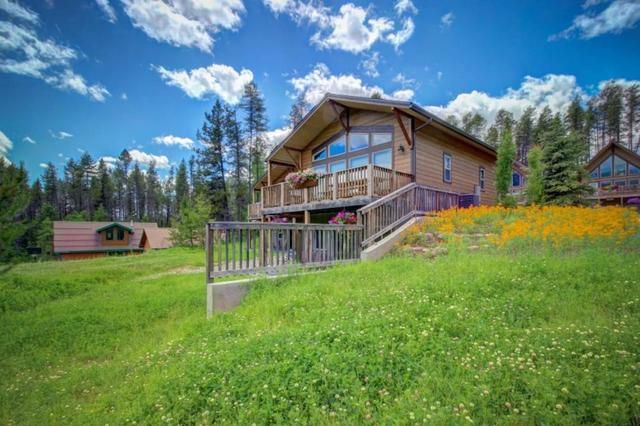
Going to the Sun Chalet E/Glacier Chalet is another West Glacier, United States, option for your fall visit. A West Glacier stay allows you to combine early wildlife drives with nearby dining, rafting outfitters, and park exploration as operating schedules and weather permit.
Build extra time into a September stay whenever possible. One cloudy or quiet morning does not mean the entire trip will be the same, and repeated outings improve your chances of experiencing the valley when wildlife is active.
Listen for the Wild Side of Glacier in 2026
Experiencing elk bugling in Glacier National Park is less about finding one guaranteed viewpoint and more about being present at the right hour, in suitable habitat, with enough patience to listen. Start before sunrise, explore meadow and forest edges, keep a respectful distance, and let the animals determine the encounter.
For a convenient base near the park’s west side, explore the West Glacier properties from Going to the Sun Chalets and book your September 2026 stay before your preferred fall dates fill.
