

destination guide
Orionid Meteor Shower 2026: Stargazing in Glacier National Park in October
Published by Going to the Sun Chalets Team on Sep 10, 2026
Cold, clear October nights can reveal a side of Glacier that daytime visitors never see. During the Orionid meteor shower in Glacier National Park in 2026, you can watch fast meteors cross a sky framed by mountain silhouettes, forests, and reflective lakes.
The Orionids are expected to reach their annual peak around October 21 and 22, 2026. Although moonlight may affect visibility this year, careful timing and a dark viewing location can still produce a memorable night. Going to the Sun Chalets offers affordable West Glacier accommodations for travelers who want a convenient base for fall adventures and late-night sky watching.
When to See the Orionid Meteor Shower in Glacier National Park in 2026
The Orionid meteor shower occurs when Earth passes through debris left behind by Halley's Comet. These tiny particles enter the atmosphere at high speed, producing bright, swift streaks that sometimes leave glowing trails.
In 2026, the shower should be active for several weeks around its October peak, with the strongest activity expected around the night of October 21 into the early morning of October 22. Meteor shower predictions can shift slightly, so check a current astronomy forecast before your trip.
The best viewing hours are generally after midnight and before morning twilight. Orion, the constellation associated with the shower's radiant, rises higher as the night progresses. You do not need to stare directly at Orion, however. Meteors can appear across the entire sky, and longer trails are often visible some distance from the radiant.
A bright waxing moon is expected near the 2026 peak, which may hide fainter meteors. Improve your chances by placing a mountain, tree line, or building behind you to block direct moonlight. You can also watch during the darker hours before moonset, if the timing is favorable during your visit.
Under ideal dark-sky conditions, the Orionids can produce roughly 10 to 20 meteors per hour near peak activity, but actual rates vary. Clouds, moonlight, your viewing location, and natural fluctuations in the shower all influence what you will see.
If you are building a full fall itinerary around the meteor shower, use this Glacier National Park October long weekend guide to plan daytime activities around your nighttime viewing session.
Where to Go for Glacier National Park Stargazing
Glacier National Park is part of the Waterton-Glacier International Dark Sky Park, making the region an exceptional destination for astronomy enthusiasts. Even so, your exact viewing spot matters. Local lights, passing vehicles, clouds, and terrain can affect your experience.
Lake McDonald and Apgar
The Lake McDonald area is a natural first choice for Glacier National Park stargazing. Open views over the water can provide a broad section of sky, while mountain outlines add depth to photographs.
Apgar can be more accessible than high-elevation areas during October, but never assume a road, parking area, or facility will be open. Review current park conditions before leaving your accommodation, and select a legal parking location that does not block traffic.
Lower-elevation pullouts and open areas
Lower-elevation areas are often more practical during the fall shoulder season. Choose an established pullout or designated parking area with a clear horizon. Never stop in a traffic lane or stand on the road to watch or photograph meteors.
Avoid relying on Logan Pass or the alpine portion of Going-to-the-Sun Road for an October viewing plan. Snow, ice, and seasonal closures can make higher elevations inaccessible well before or during the Orionid peak.
Your West Glacier base
A West Glacier stay lets you return to a private accommodation after a cold, late-night outing. It also gives you flexibility to watch the forecast and adjust your schedule if one night is cloudy.
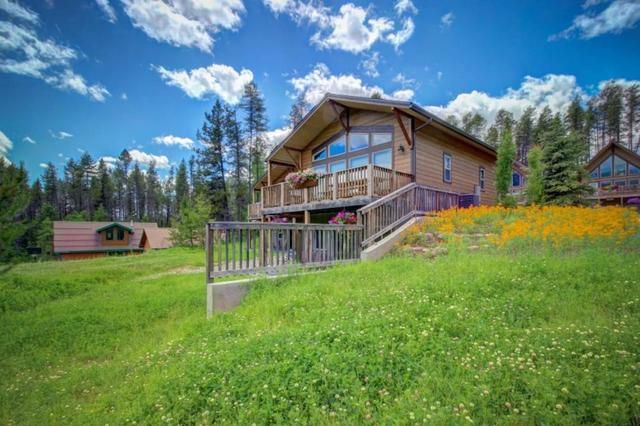
Going to the Sun Chalet E/Glacier Chalet is located in West Glacier, United States. It provides a practical home base for combining an October park visit with an evening dedicated to meteor watching.
How to Prepare for a Dark Sky Park Montana October Night
October weather near Glacier can change quickly. A clear afternoon does not guarantee a clear, dry night, and temperatures can fall sharply after sunset. Successful stargazing starts with flexible plans and the right equipment.
Bring these essentials:
- Insulated layers: Pack a warm base layer, fleece or sweater, insulated jacket, hat, and gloves.
- Water-resistant outerwear: Rain or wet snow may occur in October.
- Warm footwear: Waterproof boots and thick socks help when standing on cold or damp ground.
- A reclining chair or sleeping pad: Looking overhead is more comfortable when you can lean back.
- Blankets or a sleeping bag: Remaining still for an hour feels much colder than hiking.
- A red-light headlamp: Red light helps preserve night vision better than a bright white flashlight.
- Hot drinks and water: Hydration still matters in cold weather.
- Paper directions or offline maps: Cell service can be limited.
- Bear spray: Carry it where permitted, know how to use it, and remain wildlife aware after dark.
Give your eyes at least 20 to 30 minutes to adjust to the darkness. Put your phone away or reduce its brightness and use a red-screen setting. One burst of bright light can interrupt your night vision and affect everyone nearby.
October also brings reduced services in and around the park. Fuel up before heading out, pack snacks, and do not count on seasonal visitor facilities, restaurants, or restrooms being open late. Check road conditions and weather immediately before departure.
Going to the Sun Chalets properties feature practical portfolio amenities such as kitchens, hot water, microwaves, hangers, and self check-in, though amenities vary by property. Confirm the specific listing details before booking, especially if you expect to arrive after an evening flight or late stargazing session.
Orionid Photography Tips and a Two-Night Itinerary
You do not need specialized equipment to enjoy the Orionids, but a camera with manual controls can help you capture both meteors and Glacier's night landscape. Use a sturdy tripod, a wide-angle lens, and a remote shutter release or short self-timer.
Start with a wide aperture, a moderately high ISO, and an exposure between roughly 10 and 20 seconds. Review your first few images for sharp stars and adjust as needed. Longer exposures collect more light, but they can also create visible star movement.
Focus manually on a bright star or distant light, then leave the focus ring alone. Bring spare batteries because cold weather drains them quickly. A lens cloth is useful when condensation or light moisture develops.
Try this simple two-night plan:
- Night one: Scout your viewing location before dark. Identify legal parking, potential moon-blocking terrain, and safe walking routes.
- Night two: Return for a longer session near the predicted peak. Arrive before your preferred viewing window so your eyes and camera can adjust.
- Backup option: Keep another lower-elevation location in mind in case localized clouds or road conditions change your plan.
During the day, balance your late night with gentle sightseeing, photography, and fall color viewing rather than an exhausting hike. October conditions can be beautiful but variable. The region's golden foliage can also add another seasonal focus to your trip, as outlined in this 2026 fall larch season guide for Glacier National Park.

Snowmoon Ranch is another West Glacier, United States, option to consider for your fall visit. Booking more than one night gives you valuable flexibility when clouds, moonlight, or changing weather affect meteor visibility.
Plan Your October Stargazing Escape
The Orionid meteor shower in Glacier National Park in 2026 combines autumn scenery, dark skies, and one of the year's best-known meteor showers. Plan for the expected October 21 and 22 peak, but allow extra nights so you can adapt to weather and viewing conditions.
Pack for winter-like temperatures, stay at lower elevations when high roads are closed, and protect both your night vision and the park's natural darkness. Most importantly, slow down and give the sky time to surprise you.
Explore Going to the Sun Chalets and book a West Glacier stay for your 2026 Orionid meteor shower getaway.
